Lavender landscaping in Belle Meade, TN sounds simple until you hit the clay. This Nashville suburb's wide boulevards and century-old tree canopy make for gorgeous curb appeal, but the dense, moisture-holding soil underneath kills more lavender than winter cold ever will. Here's how to find the sunny, well-drained pocket your lot already has, pick a cultivar that won't rot by midsummer, and light the finished bed so it still reads as intentional after dark.
Visit Homelight Nashville to see our services and request a free estimate.
Why Lavender Struggles in Belle Meade's Clay Soil
Nashville sits in USDA Zone 7a, which is mild enough for lavender on paper. The USDA's Plant Hardiness Zone Map is the standard tool gardeners use to check whether a perennial can survive the winter at a given site, and Belle Meade's zone rating isn't the problem here. The problem is underfoot.
Middle Tennessee's clay holds water long after a storm passes. Standing moisture around the crown and roots is the fastest way to lose a lavender planting, and that holds true even in full sun. Penn State Extension is blunt about this: lavender grows best in sandy loam with a pH of 6 to 8, full sun, and six to eight hours of direct light, but it does not tolerate heavy clay soils, so you may need to incorporate sand and compost into the soil prior to planting .
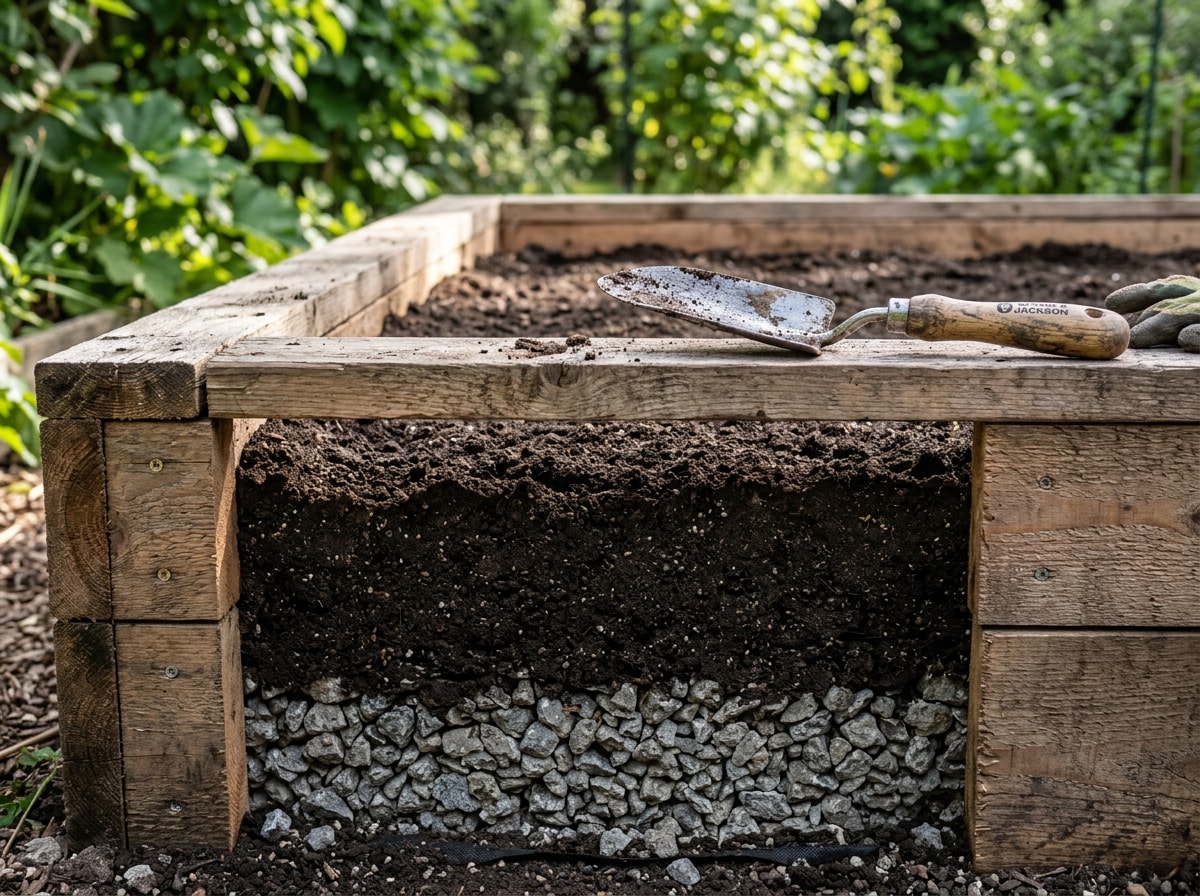
Planting lavender directly into unamended Belle Meade clay, even on a bright boulevard-facing slope, usually ends in root rot within a season or two. The fix isn't a different cultivar. It's a raised bed, a mounded berm, or a container where you control the soil from the start.
The Planting Mistakes That Kill Lavender Here
One mistake shows up constantly on new lavender installs in local clay: digging the hole too deep. A deep hole backfilled with loose soil creates a basin, not a planting hole, and that basin fills with every rainfall.
The better approach mirrors what experienced growers already do in similarly clay-heavy regions. As one Eastern Shore lavender grower puts it, the planting step itself should be simple once the site is right: dig a hole twice the width of the root ball and roughly the same depth, then set the plant at the same depth it was growing in its nursery pot, never deeper, and backfill gently .
A few other fixes matter just as much on Belle Meade lots:
- Raise the bed or mound the soil. University of California horticulture guidance notes that where clay is an issue, you should
amend with organic compost and consider planting on a mound to help with drainage, or plant in a raised bed or container where you have control over the soil .
- Check new-construction lots twice. Recently graded yards often have topsoil that was stripped or compacted by equipment, which makes the clay problem worse before you've even broken ground.
- Don't fight the zone, fight the water. Belle Meade's Zone 7a rating affects cultivar choice, but it won't fix a drainage problem on its own, and that's confirmed by the same USDA map growers use to plan cold tolerance nationwide (USDA Plant Hardiness Zone Map).
If your sunniest spot still has you second-guessing the drainage, get a free estimate and talk through the site before you commit to a bed location.
Cold-Hardy Lavender Cultivars for Middle Tennessee
Not every lavender cultivar handles a humid Tennessee summer the same way. Skip anything marketed purely for cold tolerance in dry Western climates and look for cultivars bred for heat and humidity resistance too.
'Phenomenal' is the standout here. It was developed specifically for difficult conditions, and the breeder's own trial notes describe it as one of the hardiest lavenders seen throughout Europe and the United States, with exceptional winter survival, tolerance to extreme heat and humidity, and resistance to common root and foliar diseases . 'Munstead' and 'Hidcote' are solid backups: compact English lavenders that growers in similarly clay-prone, humid Zone 7 regions report as reliably hardy through Zone 7 winters , provided drainage is handled first.
| Cultivar | Clay/Humidity Tolerance | Bloom Performance | Notes |
|---|---|---|---|
| 'Phenomenal' | Strong | Long season, deep purple | Bred for disease resistance and heat/humidity; best all-around pick |
| 'Grosso' | Fair | Tall, highly fragrant spikes | Needs a raised bed or berm, not flat clay |
| 'Munstead' | Fair | Early, compact bloom | Needs very sharp drainage |
| 'Hidcote' | Fair | Deep purple, dense habit | Best in raised beds, good for edging |
Landscaping With Lavender on an Estate-Style Lot
Once soil and siting are sorted, lavender becomes the fun part of the design. These ideas work especially well against Belle Meade's formal, estate-scale layouts.
Fragrant Borders and Edging
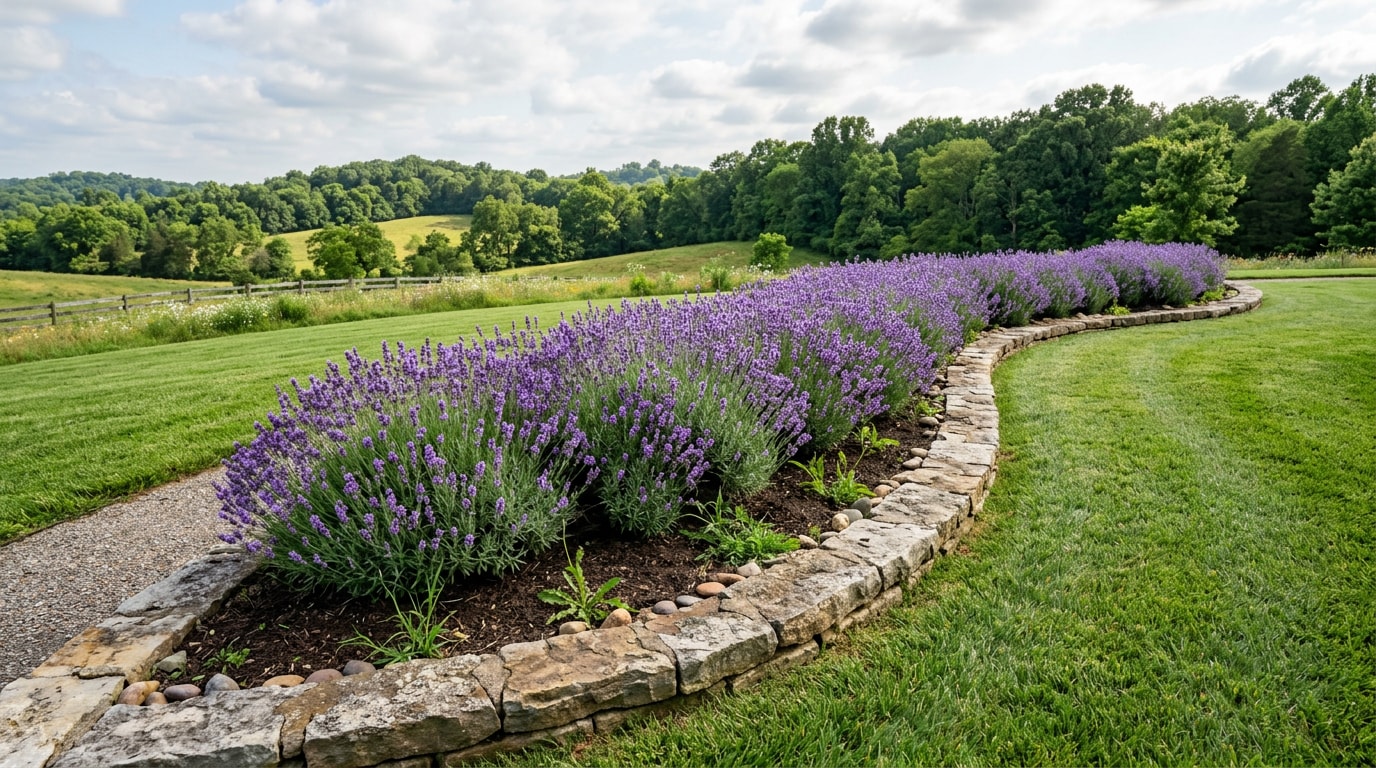
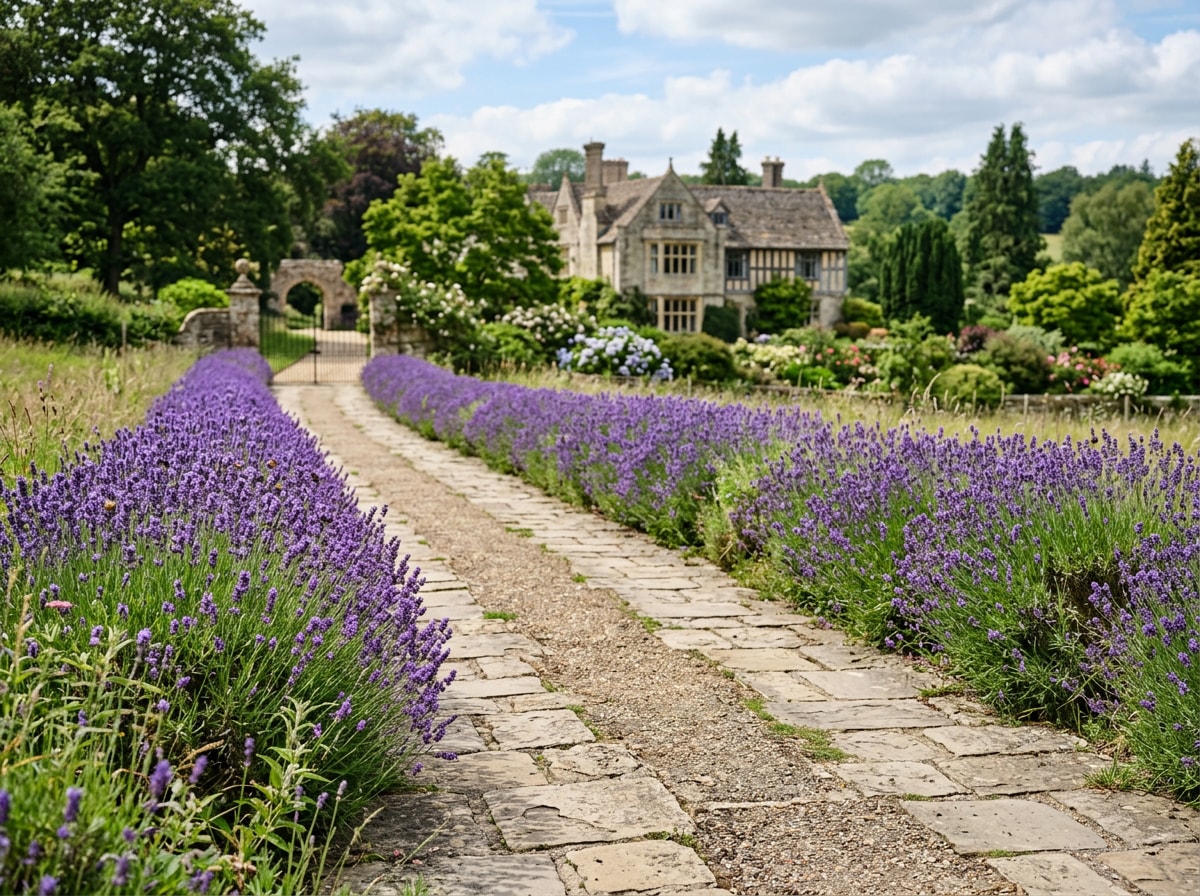
Neat mounds of compact English lavender make a silvery-green edge along paths, drives, or garden beds, releasing scent with every brush past. For a bolder statement, 'Grosso' offers tall, dark purple spikes and a stronger fragrance as a border plant. Either reads as intentional along Belle Meade's long boulevard-style driveways, where a continuous line of plants looks far more deliberate than a few scattered pots.
Rock and Gravel Gardens
A lavender bed tucked among stones and coarse gravel is arguably the easiest way to sidestep the clay problem without building a full raised bed. The gravel itself does a lot of the drainage work, and it looks tidy year-round even when the plants aren't in bloom.
Mediterranean and Xeriscape Beds
Swapping even a portion of turf for a waterwise lavender bed can meaningfully cut irrigation demand on Belle Meade's larger lots. The EPA's WaterSense program notes that a water-efficient landscape design can be planned with its Water Budget Tool so the finished yard uses no more water than appropriate for the local climate . For a homeowner, that mostly means grouping lavender with other low-water plants instead of mixing it into a thirsty, irrigated lawn bed.
Cottage Garden Mixes
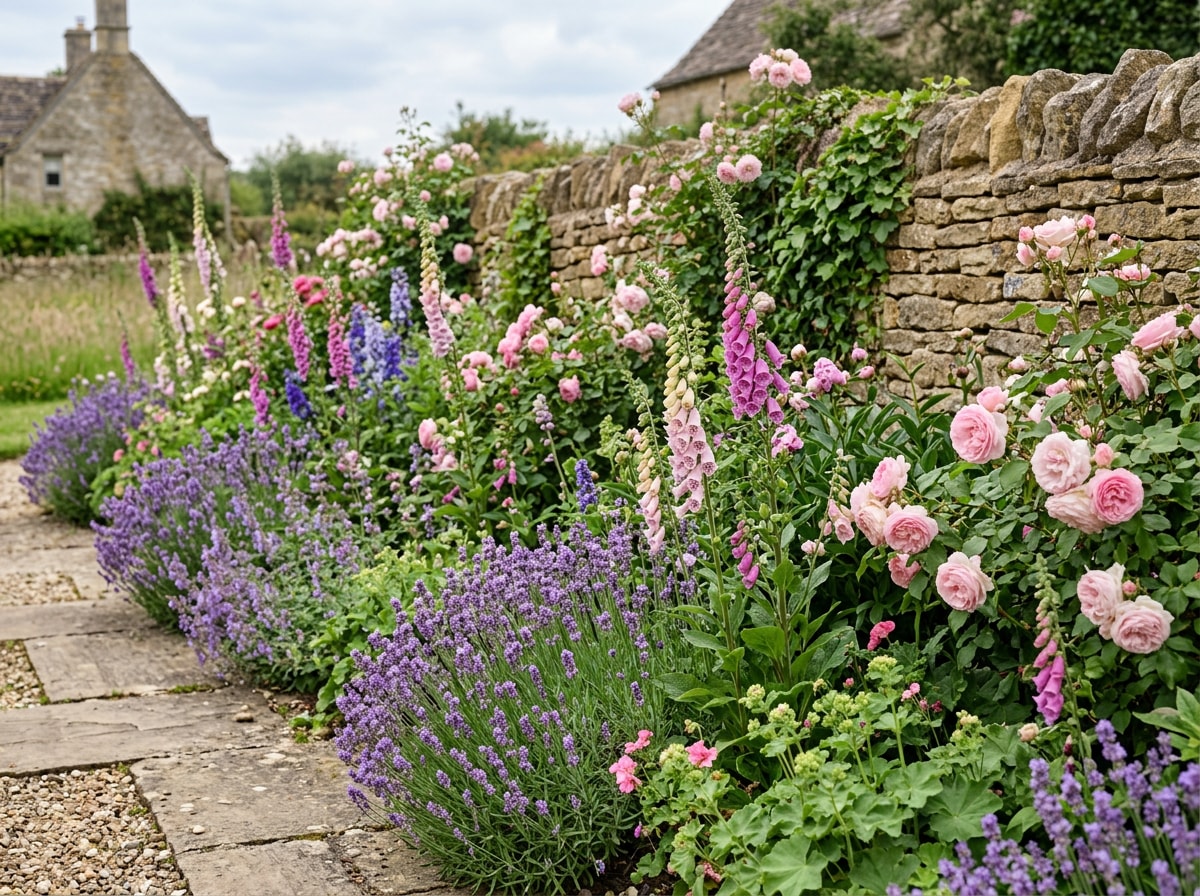
Lavender blended with roses, foxglove, and salvia creates the soft, slightly overgrown texture of a classic cottage border. It's a looser look than the formal edging above, and it suits Belle Meade's older garden-style properties particularly well.
Pollinator Plantings
A reblooming variety paired with 'Hidcote' or 'Munstead' extends the bloom window and keeps bees and butterflies visiting through more of the season. It's a small design choice that pays off every summer evening you're outside.
Lighting Your Lavender Beds After Dark
This is the part most lavender guides skip entirely, and it's where a well-planted bed either disappears at dusk or becomes the best-looking thing on the block. Lavender's silvery foliage catches low-angle light beautifully, which makes it one of the more rewarding plants to illuminate.
Our crews have uplit more than a few Belle Meade lavender borders, and the same principle holds every time: aim the fixture at roughly a 45-degree angle to catch the foliage without washing out the bloom color. Along a boulevard-style drive, low path lighting spaced evenly beside a lavender edge reads as formal and finished rather than scattered. Under mature tree canopy, a soft moonlighting effect filtering down through the branches can highlight a shade-adjacent lavender bed without fighting its need for direct sun during the day.
If you're planning a new bed or finishing one you already planted, our landscape lighting design team can lay out fixture placement around the mature size of the plants, and our outdoor lighting installation crew handles the wiring and fixture work itself. Established beds also need upkeep. Mulch shifts, fixtures get buried by growth, and heads drift out of aim as plants fill in, which is exactly what landscape lighting maintenance is built to catch twice a year.
For a broader look at pairing planting design with the rest of a front yard layout, see our guide to front garden landscaping in nearby Green Hills, and browse recent work on our projects page for lighting applied to estate-style plant beds.
Ready to see your own bed after dark? Get a free estimate and we'll walk the site with you before you plant a single lavender stem.
FAQ
Does lavender actually grow well in Belle Meade's clay soil?
Not without help. Lavender needs sharp drainage, and unamended clay holds too much water around the roots. Build a raised bed, mound, or berm with amended soil, or use containers, and you solve the problem at the source instead of fighting it every season.
What's the most reliable cold-hardy lavender for Middle Tennessee?
'Phenomenal' is the strongest all-around choice because it was bred for both cold tolerance and the heat and humidity that defines a Tennessee summer. 'Munstead' and 'Hidcote' are good backups once drainage is handled.
How do you landscape a lavender bed under Belle Meade's mature tree canopy?
Lavender needs six to eight hours of direct sun, so scout the property for its brightest pocket first, usually a south-facing drive, open boulevard edge, or a gap in the canopy. A bed tucked against a shaded foundation almost never gets enough light to thrive.
Can you add landscape lighting to a lavender bed that's already planted?
Yes. Fixtures get placed around existing plants rather than before them in most retrofit jobs. The main adjustment is spacing fixtures so beams clear the mature spread of each plant instead of sitting too close to the foliage.
What does lavender landscaping cost in Belle Meade, TN?
Cost depends on bed size, how much soil amendment the clay needs, edging material, and whether lighting is added at the same time. Contact us for a project-specific estimate, and visit our Belle Meade service area page for examples of recent local work.